Clean Code, Clear Errors
Clean Code, Clear Errors
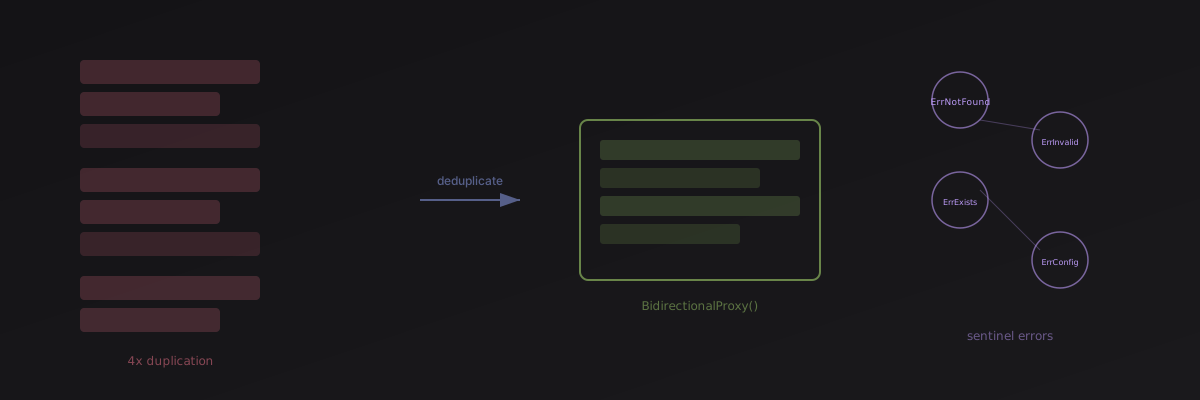
What’s new
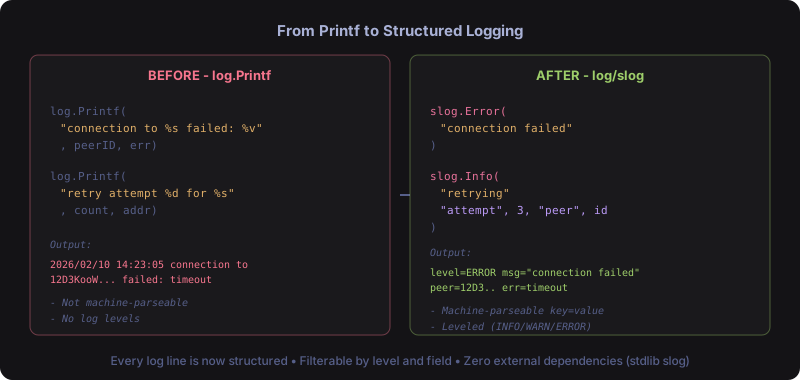
Every error in Shurli is now a named, checkable sentinel value. Structured logging via log/slog replaces ad-hoc log.Printf calls everywhere. And every binary now self-identifies with its exact build version.
Why it matters
When you’re debugging a P2P connection issue at 2am, you need to know exactly which version is running on each peer and what went wrong. “Service not found” as a string is useless for programmatic error handling. errors.Is(err, ErrServiceNotFound) is actionable.
Technical highlights
- Sentinel errors:
ErrServiceNotFound,ErrNameNotFound,ErrConfigNotFound,ErrNoArchive, and more. All checkable witherrors.Is() - Structured logging:
slog.Info("connection succeeded", "attempt", 3, "peer", peerID[:16]+"...")- key-value pairs, not format strings - Build version embedding:
-ldflags "-X main.version=... -X main.commit=..."at build time.shurli versionshows exact build info - UserAgent in Identify: Every peer announces its version (
shurli/0.1.0).shurli daemon peersshows what version each peer runs - Relay address deduplication: Same relay with IPv4 and IPv6 addresses? Merged into one entry automatically
What’s next
Self-healing capabilities: config archive/rollback and the commit-confirmed pattern.