Smarter Connections Under the Hood
Smarter Connections Under the Hood
What’s new
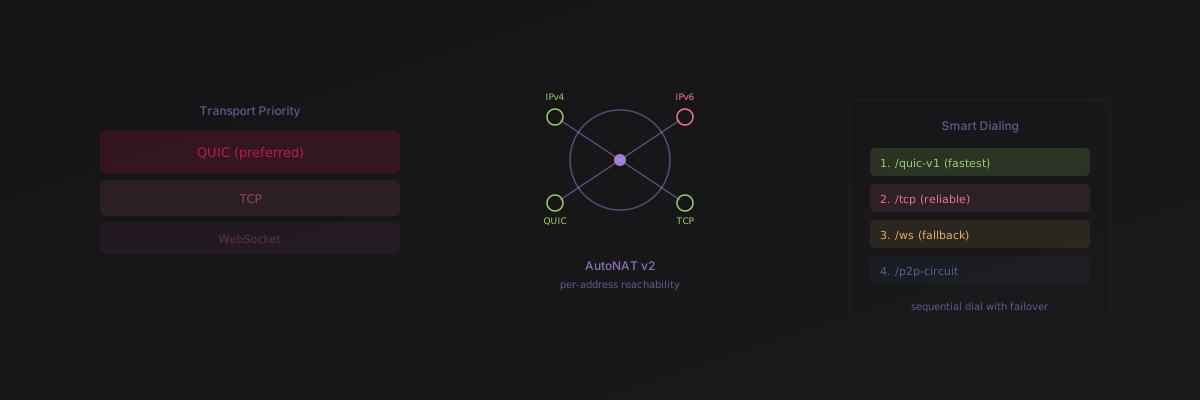
Shurli now automatically detects whether it’s behind NAT, prefers QUIC over TCP for faster connections, and identifies itself to peers with its exact version. These are invisible improvements - your connections just work better.
Why it matters
Not every network is the same. Some have full IPv6, some are behind CGNAT, some block UDP. Shurli needs to adapt. AutoNAT v2 detects your situation accurately, QUIC gives faster connection establishment when available, and TCP remains the universal fallback.
Technical highlights
- AutoNAT v2: More reliable NAT detection than v1. Peers probe each other to determine reachability, enabling smarter relay decisions
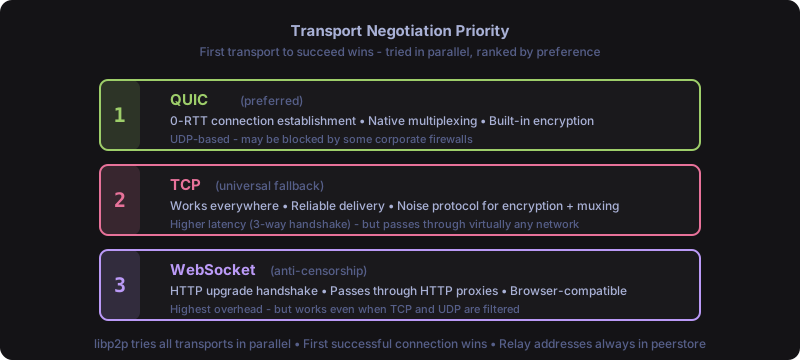
- QUIC-preferred transport ordering: QUIC first (3 RTTs, native multiplexing), TCP second (universal fallback), WebSocket third (anti-censorship). First transport to succeed wins
- Identify UserAgent: Every peer sends
shurli/0.1.0(orrelay-server/0.1.0) in the libp2p Identify exchange.shurli daemon peersfilters by this, showing only your network members by default - Smart dialing: Relay circuit addresses are always in the peerstore alongside direct addresses. libp2p’s dialer tries both in parallel and picks the fastest
What’s next
New user-facing capabilities: daemon status command, relay health endpoint, and headless invite/join for scripting.